

General Landscape Uses: Shade tree, edible nut
Ecological Restoration Notes: Coastal stabilization, habitat provider, food source, pioneer species, nutrient cycling
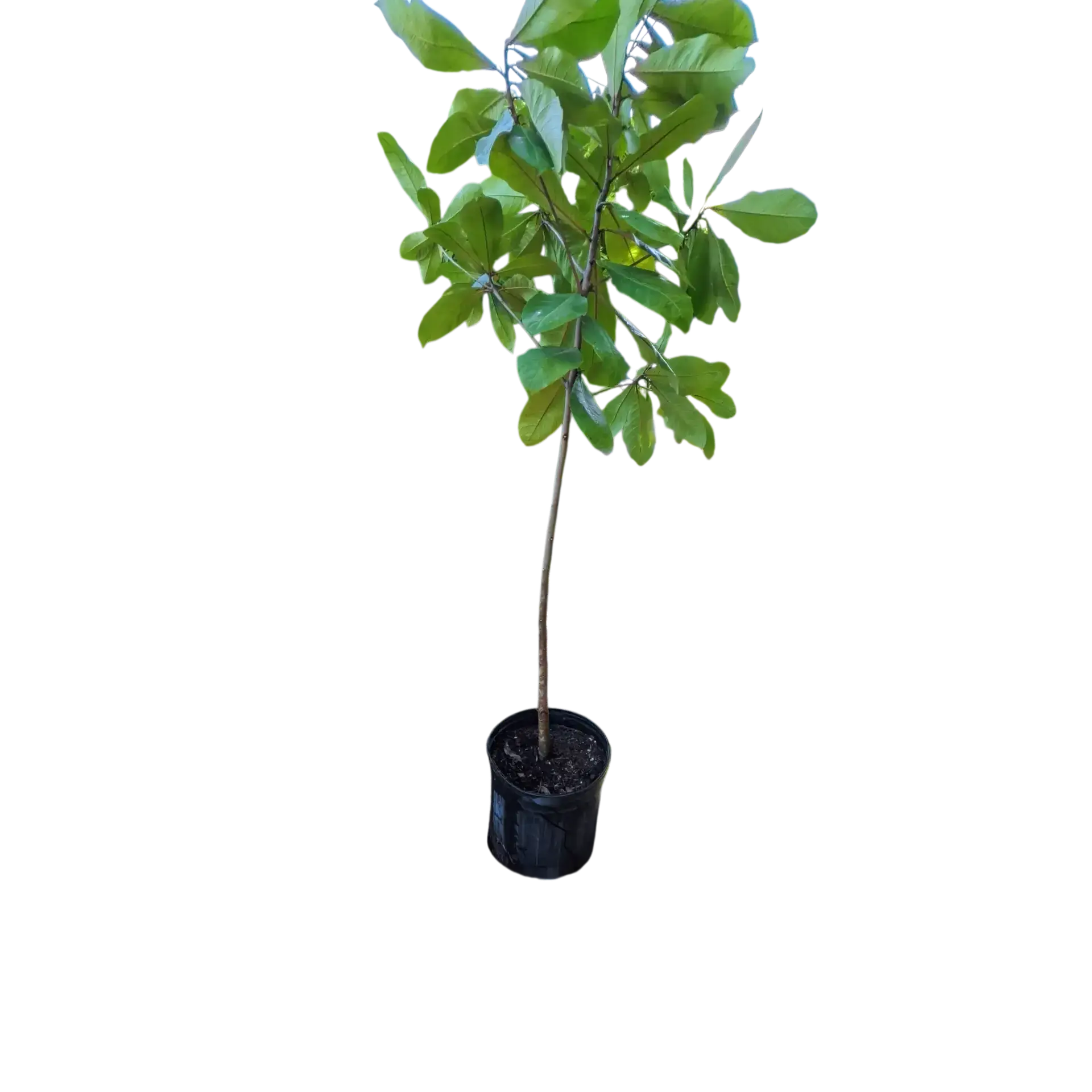
Description: A large, tropical, deciduous tree renowned for its distinctive, pagoda-like layered branching structure and its broad, glossy leaves that turn brilliant shades of red and crimson before falling.
Dimensions: Height 50 – 90 ft.
Growth Rate: Fast
Native Range: Coastal regions of tropical Asia, Northern Australia, and the Pacific Islands.
Native Habitats: Coastal strands and beaches, lowland coastal forests, river banks and estuaries
Soils: Sand, well-drained
Nutritional Requirements: Low to moderate
Salt Water Tolerance: High
Salt Wind Tolerance: High
Drought Tolerance: High
Light Requirements: Full sun
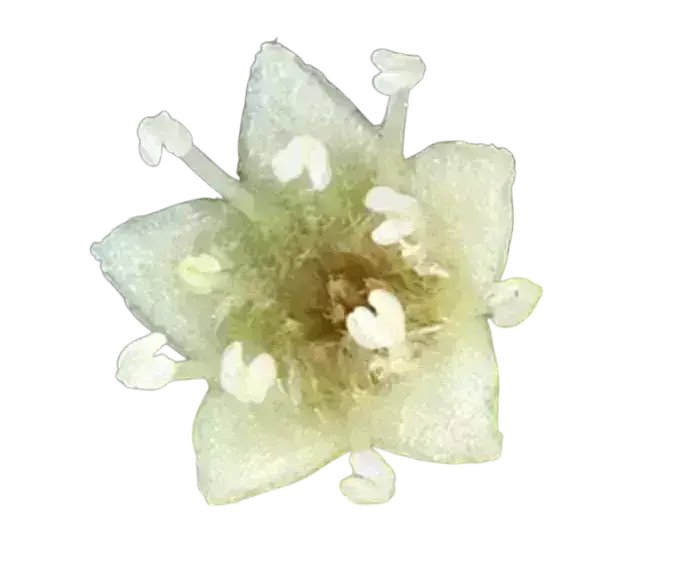
Flower Color: Greenish-white
Flower Characteristics: Inconspicuous, small
Flowering Season: Spring to summer
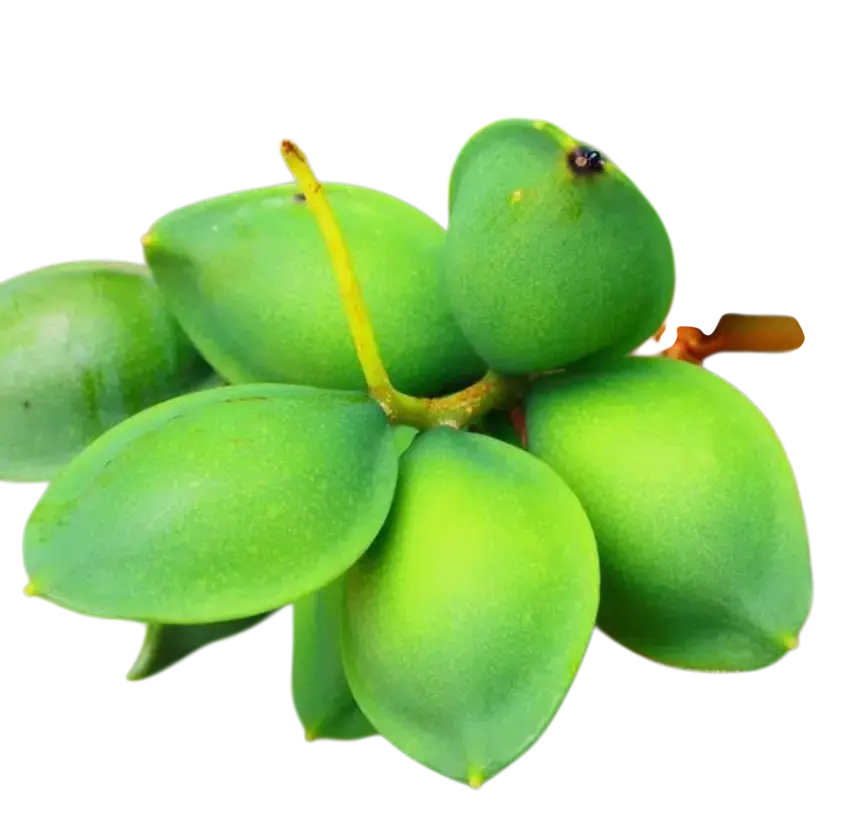
Fruit: A nut with a fibrous, fleshy exterior. The fruit is almond-shaped, 2-3 inches long, and green, ripening to yellow or red.
Wildlife and Ecology: Its fruit is dispersed by water (it is buoyant) and by fruit bats, helping it colonize new shorelines.
Horticultural Notes: Grown from seed, cuttings
Comments:



Reviews
There are no reviews yet.