
General Landscape Uses: Ideal for mass plantings, wildflower meadows, coastal gardens, and butterfly gardens. Its salt tolerance makes it a premier choice for beachfront properties where other flowers struggle.
Ecological Restoration Notes: Frequently used in dune stabilization and roadside restoration projects. It is a pioneer species that excels at colonizing disturbed, sandy soils and preventing erosion.
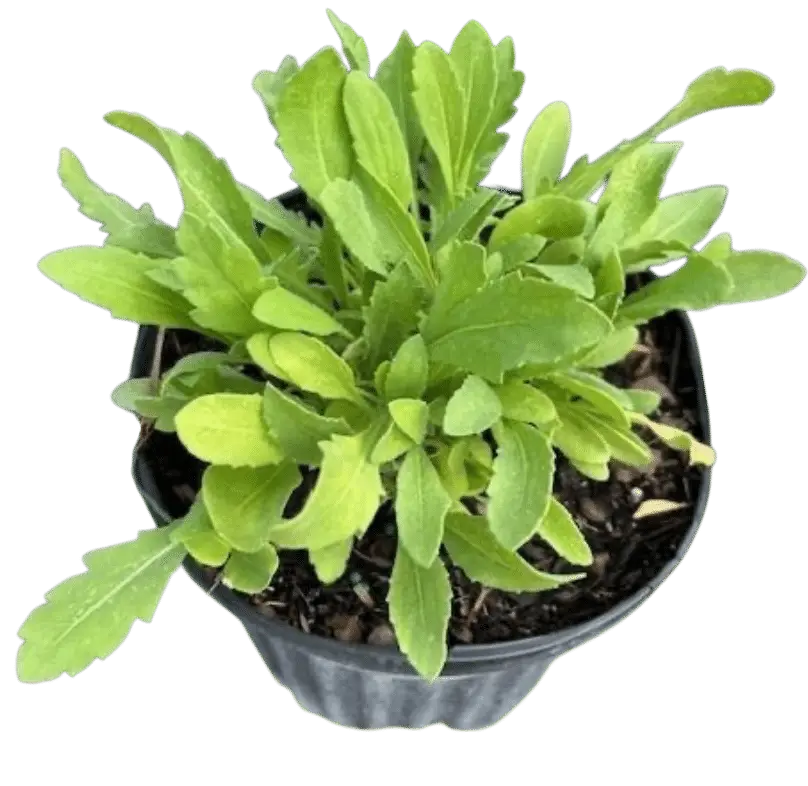
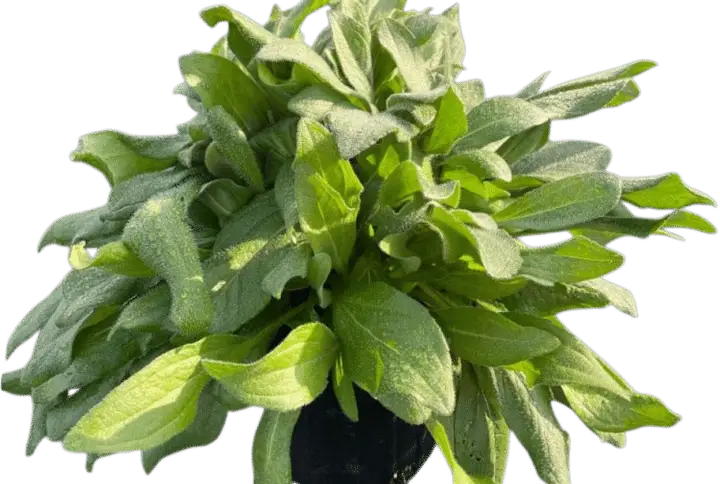
Description: A short-lived perennial or annual wildflower with hairy, grayish-green foliage and striking daisy-like flowers
Dimensions: Height 1 – 2 ft.; Spread 1 – 2 ft.
Growth Rate: Fast
Native Range: Found throughout the Southern United States, including all of Florida, and extending into parts of Mexico.
Native Habitats: Coastal dunes, dry prairies, pine flatwoods, and disturbed open areas.
Soils: Sand, well-drained
Nutritional Requirements: Low
Salt Water Tolerance: Low to moderate
Salt Wind Tolerance: High
Drought Tolerance: High
Light Requirements: Full Sun
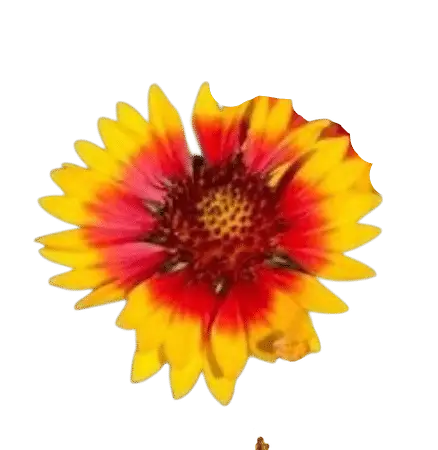
Flower Color: Red centers with yellow or orange tips.
Flower Characteristics: 2–3 inch wide heads with ray florets that are often “toothed” at the ends, giving them a fringed appearance.
Flowering Season: All year
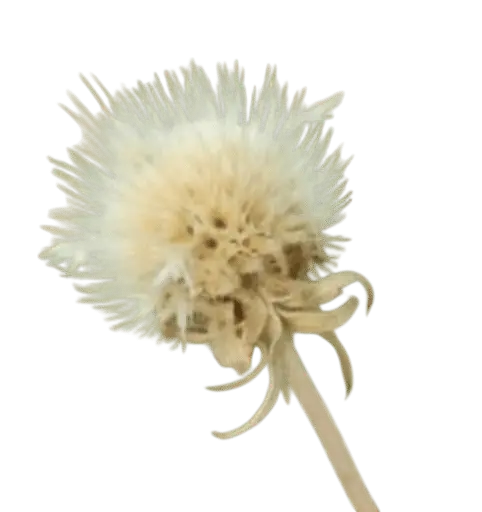
Fruit: Small, dry achenes (seeds) held in a globe-shaped seed head
Wildlife and Ecology: A powerhouse for biodiversity. It is a major nectar source for native bees and butterflies. Its seeds provide food for small songbirds like goldfinches.
Horticultural Notes: Grown from seed
Comments:



Reviews
There are no reviews yet.