

General Landscape Uses: Indoor, accent, container, understory grouping
Ecological Restoration Notes: Not suitable for ecological restoration projects outside its native range. It is primarily an ornamental crop cultivated for indoor and landscape horticulture.
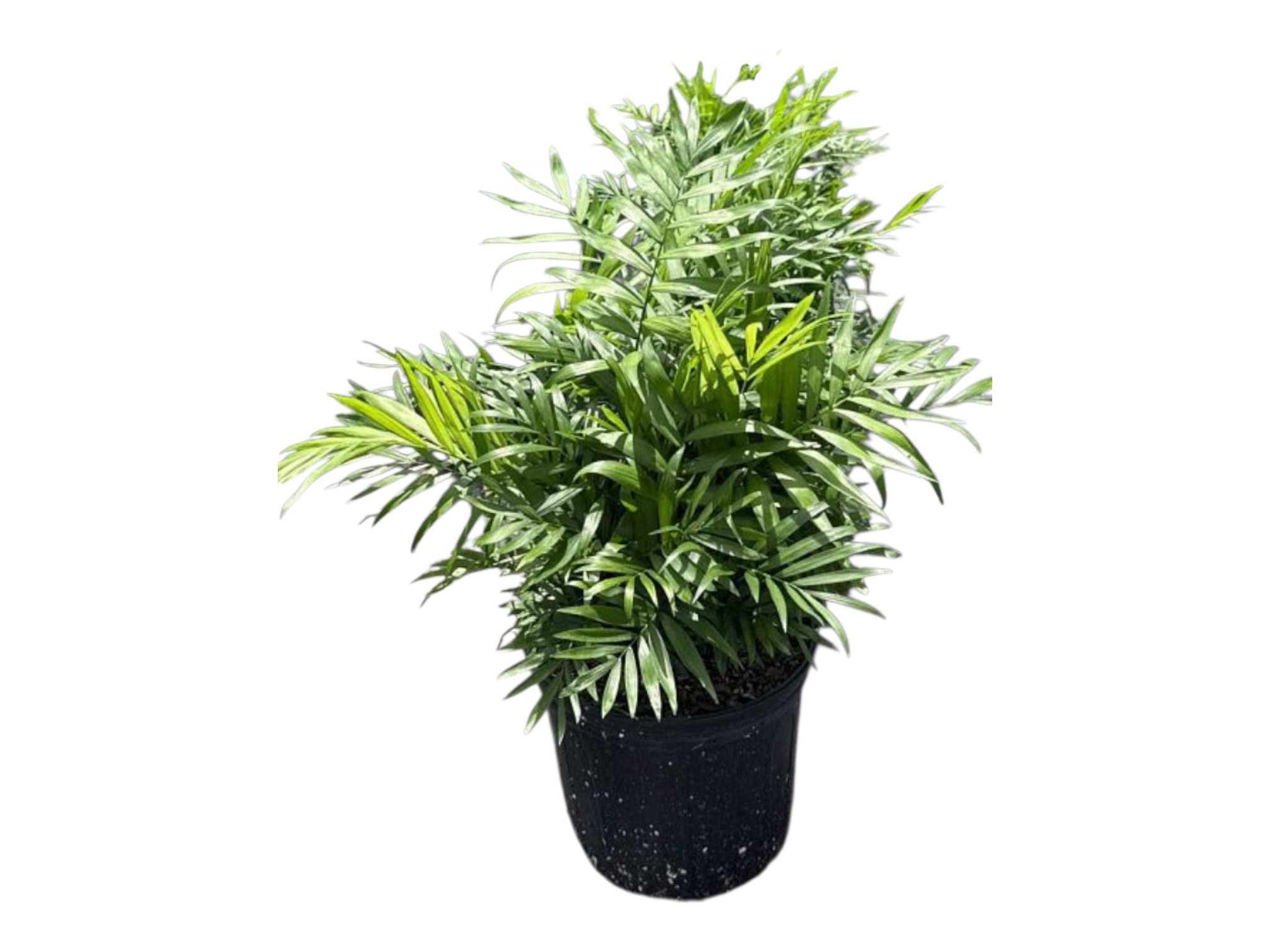
Description: Feather-like (pinnate), arching fronds made of delicate, deep-green, lanceolate leaflets. Solitary, slow-growing palm with a slender, ringed green trunk resembling bamboo (often potted in clusters of multiple seedlings to create a fuller, bushy look).
Dimensions: Height 8 – 10 ft.; Spread 2 – 4 ft.
Growth Rate: Very slow
Native Range: Dense rainforests and wet tropical slopes of Southern Mexico, Guatemala, and Belize.
Native Habitats: Understory of dense, moist to wet tropical rainforests, frequently growing on limestone soils beneath thick forest canopies.
Soils: Loamy, rich, well-draining soil mix with high organic matter content.
Nutritional Requirements: Low to moderate. Benefits from a light application of a balanced, slow-release palm fertilizer or liquid houseplant fertilizer once or twice during the spring and summer growing season.
Salt Water Tolerance: Low
Salt Wind Tolerance: Low. Fronds are soft and easily damaged by coastal aerosol salt spray and harsh ocean winds.
Drought Tolerance: Moderate once established. Prefers consistently moist soil during active growth, but tolerates brief periods of drying far better than most other tropical palms.
Light Requirements: Part sun to shade
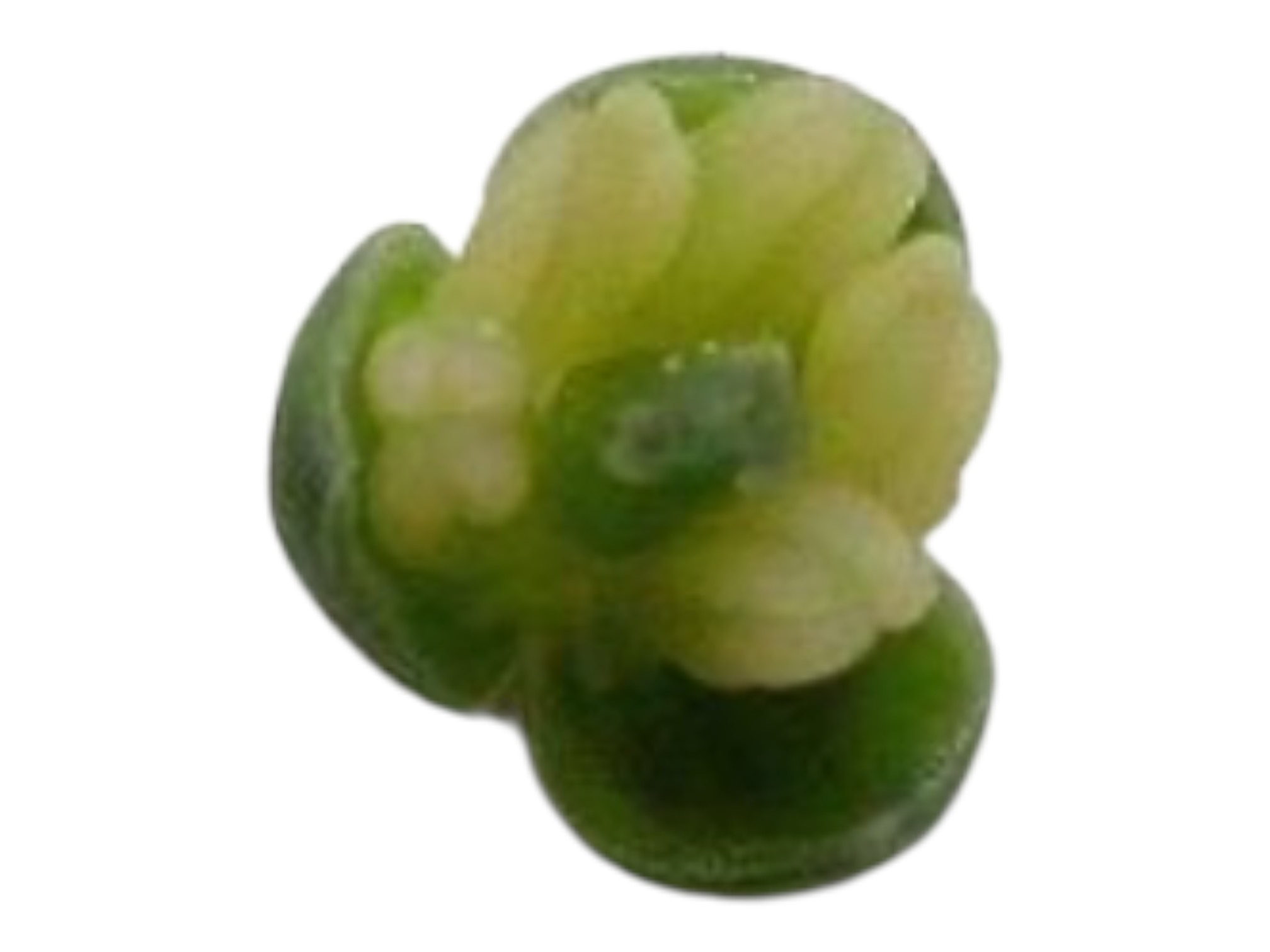
Flower Color: Pale yellow to cream-colored.
Flower Characteristics: Small, globose flowers arranged on branching, stalked inflorescences that emerge from lower leaf bases.
Flowering Season: Late winter to spring (can bloom sporadically throughout the year under warm indoor conditions).
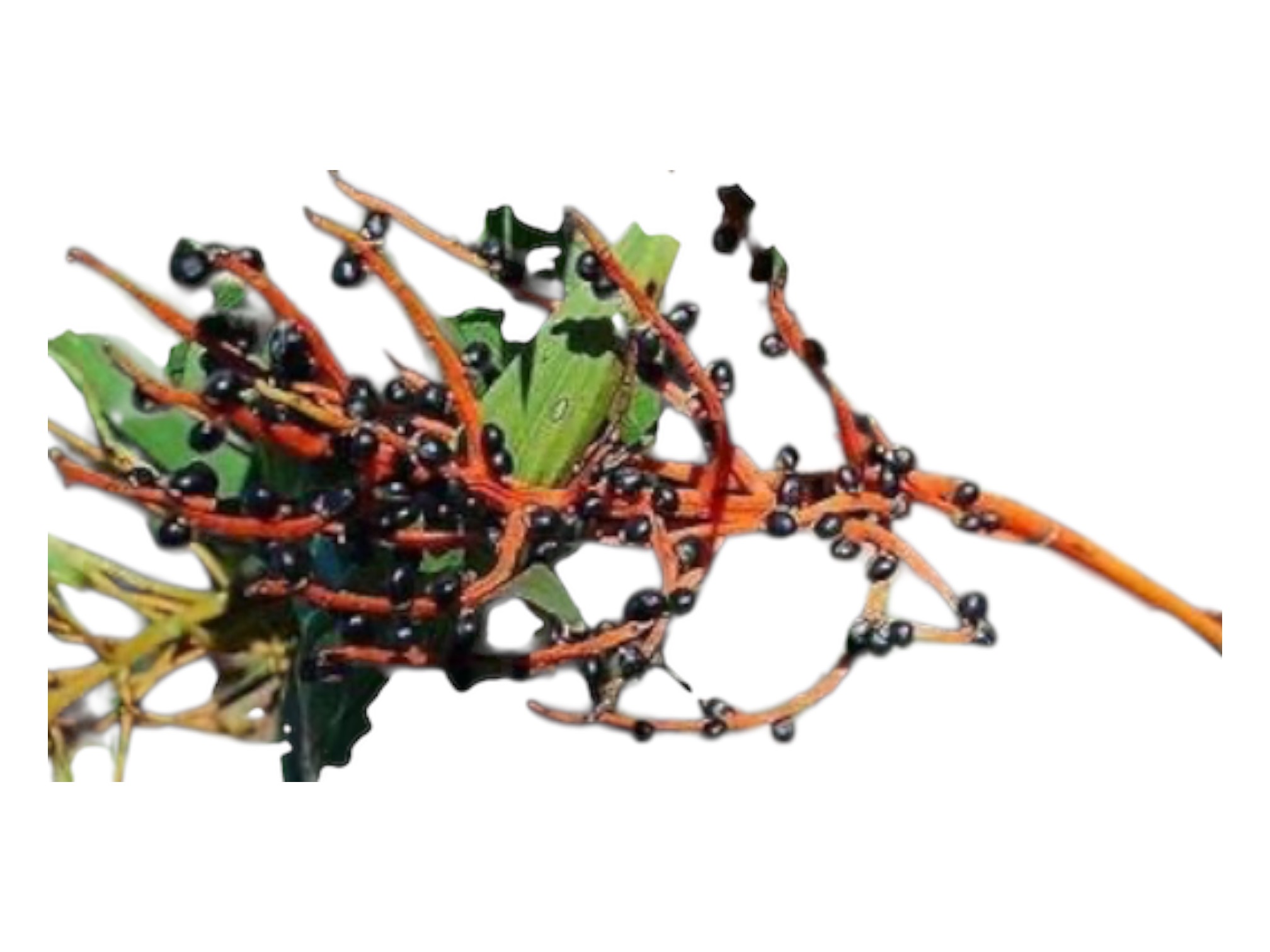
Fruit: Small, round, pea-sized dark black berries (drupes) following successful pollination (dioecious species requiring separate male and female plants).
Wildlife and Ecology: In its native understory habitat, its fruit provides food for small rainforest birds and fruit-eating mammals. In cultivation, it serves primarily as non-toxic cover for small garden fauna.
Horticultural Notes: Grown from seed
Comments: First popularized as an indoor ornamental during the Victorian era, earning its common name “Parlor Palm” because it was frequently featured in Victorian parlors.




Reviews
There are no reviews yet.