


General Landscape Uses: Shade tree, edible, specimen plant, screen
Ecological Restoration Notes: Low risk for invasiveness
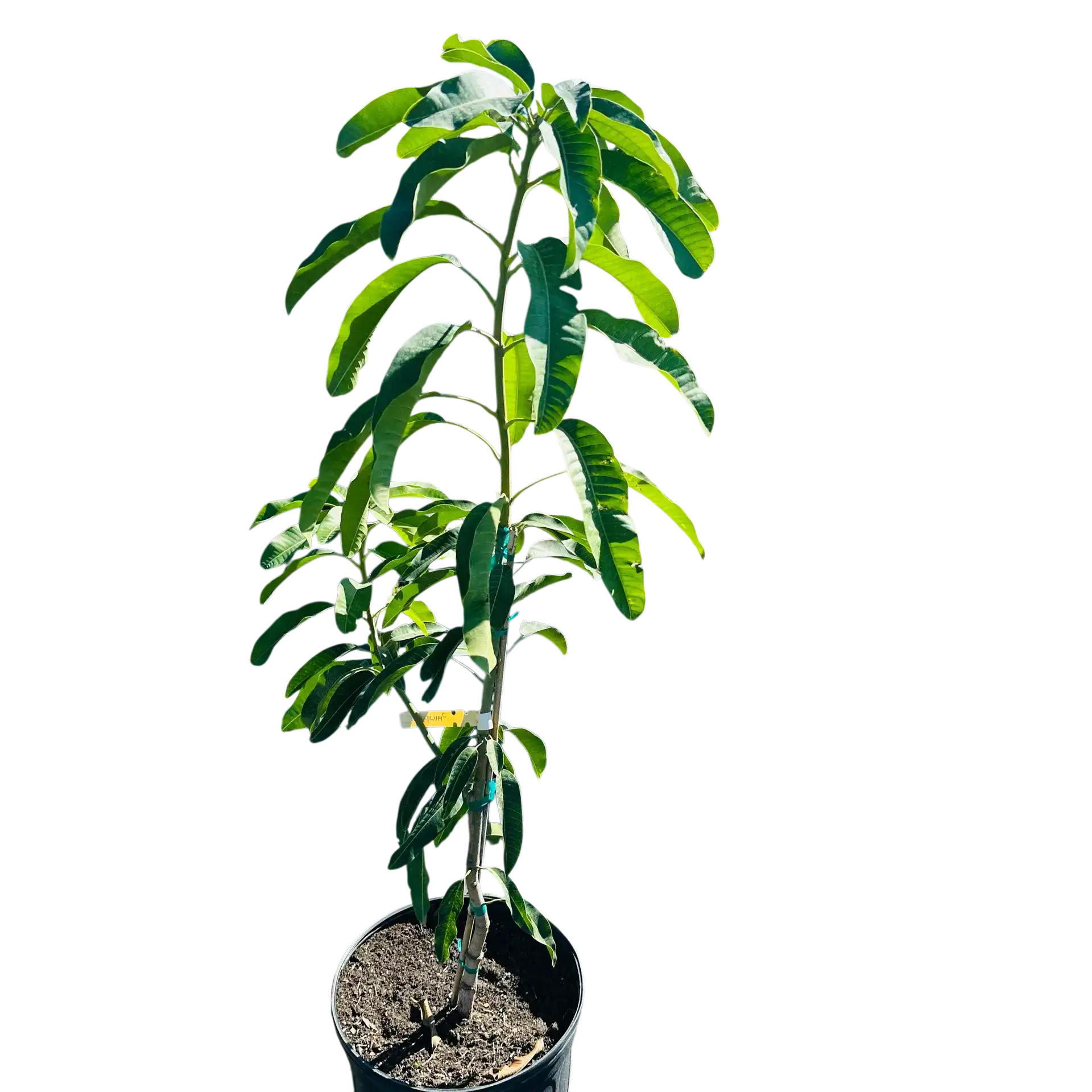
Description: A medium to large evergreen tree with a dense, dome-shaped canopy. Leaves are lanceolate, leathery, and often droop elegantly.
Dimensions: Height 30 – 50 ft.
Growth Rate: Fast
Native Range: India, Southeast Asia
Native Habitats: Tropical and subtropical lowlands, monsoon forests, and open riverine areas.
Soils: Well-drained, sand, loam, rock, acidic to neutral (pH 5.5 – 7.5)
Nutritional Requirements: High
Salt Water Tolerance: Low
Salt Wind Tolerance: Moderate
Drought Tolerance: Moderate to high
Light Requirements: Full Sun
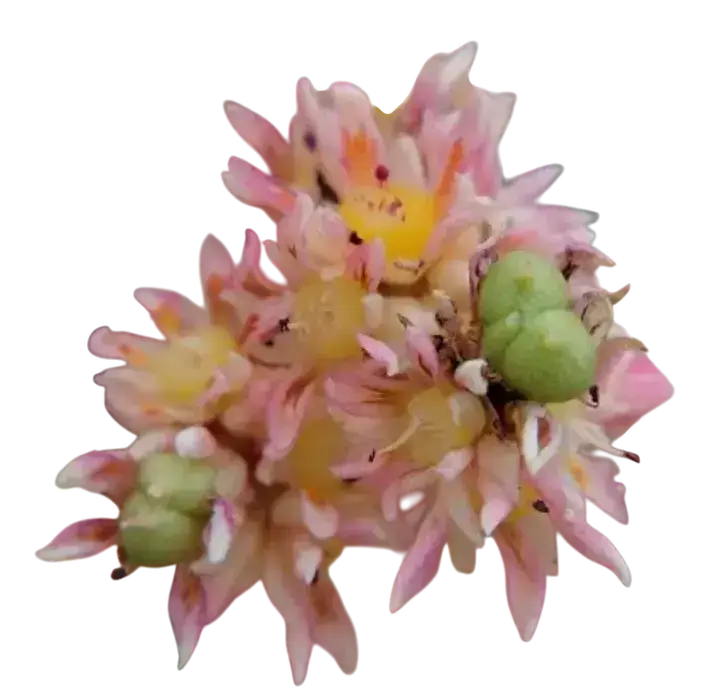
Flower Color: Yellowish-white to pinkish-white
Flower Characteristics: Small, clusters, fragrant
Flowering Season: Late winter to early spring
Fruit: Fleshy drupe; ‘Manila’ is typically yellow-skinned, kidney-shaped, with smooth, fiberless, sweet flesh.
Wildlife and Ecology: Attracts bees, butterflies, and fruit-eating birds. Host plant for various butterfly species.
Horticultural Notes: Propagated by seed, grafting
Comments: The sap and skin contain urushiol (the same allergen in poison ivy); some individuals may develop a rash upon contact.





Reviews
There are no reviews yet.