


General Landscape Uses: Ground cover, container
Ecological Restoration Notes: Not typically used for restoration. In its native range, it contributes to the complex floor-level biodiversity of rainforests, providing cover for small invertebrates.
Description: A low-growing, clump-forming perennial known for its striking foliage. The leaves feature a dark green background with a feathered light-green center and prominent herringbone-patterned red veins. The undersides are a deep burgundy.
Dimensions: Height 6 – 12 in.; Spread 12 – 18 in.
Growth Rate: Moderate
Native Range: Tropical Americas, specifically the Brazilian Rainforest.
Native Habitats: Forest floors where it lives in the dappled light beneath the dense canopy, thriving in high humidity and leaf-littered soil.
Soils: Prefers well-draining, humus-rich, acidic soil (pH 5.5 to 6.0). It does not tolerate “wet feet” or heavy clay.
Nutritional Requirements: Low to moderate
Salt Water Tolerance: Low
Salt Wind Tolerance: Low
Drought Tolerance: Low
Light Requirements: Part Sun
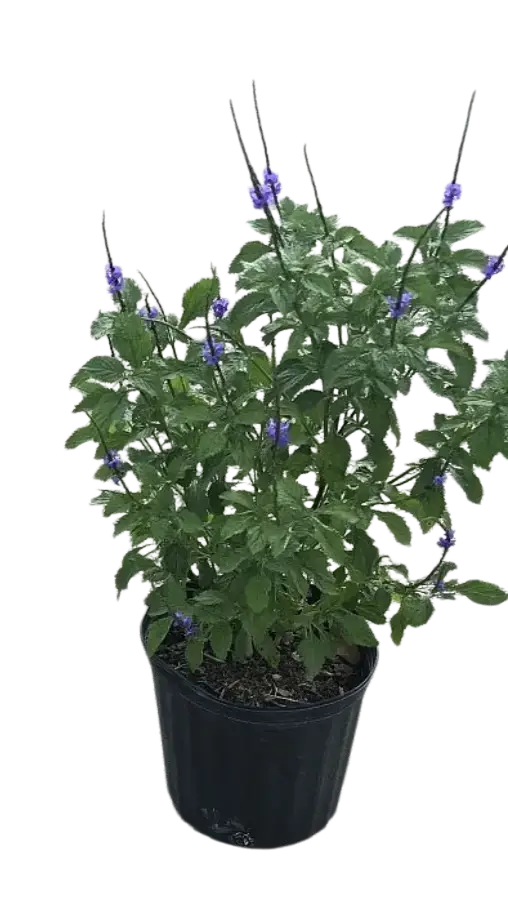
Flower Color: White to pale lavender
Flower Characteristics: Borne on long, slender spikes (racemes). They are delicate and often considered “insignificant” compared to the foliage.
Flowering Season: Late spring to early summer
Fruit: A small, inconspicuous one-seeded capsule.
Wildlife and Ecology: In the wild, the tubular flowers may attract small pollinators like specialized bees or hummingbirds, though it is not a primary nectar source.
Horticultural Notes: Grown from cuttings or division
Comments: This plant is non-toxic to cats and dogs, making it a favorite for pet owners.






Reviews
There are no reviews yet.