



General Landscape Uses: Specimen tree in residential and commercial landscapes.
Ecological Restoration Notes: An important large canopy tree in hammocks in Miami-Dade and Monroe counties. Rarer elsewhere.
Description: Medium to large tree with an erect trunk and a spreading, rounded crown. Trunks single or, rarely, multiple to more than 2 feet in diameter. Branches drooping. Bark light gray. Leaves tropical semi-deciduous, light green, about 2-5 inches long.
Dimensions: Typically 30-40 feet in height; to 71 feet in South Florida. Usually taller than broad.
Growth Rate: Moderate to fast.
Native Range: Monroe County Keys north to Brevard and Collier counties; disjunct in Hillsborough County; West Indies, Mexico, Central America and South America. Rare and sporadic north of Miami-Dade and Collier counties.
Native Habitats: Hammocks.
Soils: Moist, well-drained limestone (rarely sandy) soils, with humusy top layer.
Nutritional Requirements: Moderate; can grow in nutrient poor soils, but needs some organic content to thrive.
Salt Water Tolerance: Low; does not tolerate long-term flooding by salt or brackish water.
Salt Wind Tolerance: Low; salt wind may burn the leaves.
Drought Tolerance: High; does not require any supplemental water once established.
Light Requirements: Full sun.
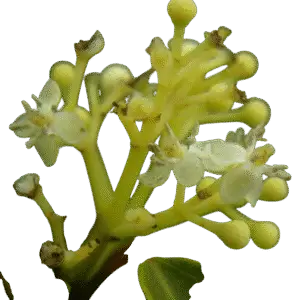
Flower Color: N/A; flowers are borne inside of figs.
Flower Characteristics: Inconspicuous.
Flowering Season: All year; peak spring-summer.
Fruit: Figs turning pinkish-red to purple when ripe.
Wildlife and Ecology: Provides food and cover for wildlife. Larval host plant for ruddy daggerwing (Marpesia petreus) butterflies, Edwards’ wasp (Lymire edwardsii) and fig sphinx (Pachylia ficus) moths. It is pollinated by a host-specific wasp (Pegoscapus tonduzi). Cedar waxwings and many other birds eat the fruits. It supports a large community of insects, which provide food for insectivorous birds.
Horticultural Notes: Easily grown from seed. Smash figs on paper, let dry and then brush the small seeds onto the soil in a container. Do not cover seeds with soil. Start in light shade or full sun.
Comments: Sometimes produces aerial roots, but much less frequently than strangler fig (Ficus aurea).





Reviews
There are no reviews yet.