

General Landscape Uses: Primarily recommended for natural landscapes and habitat restorations. Also butterfly gardens and water gardens and along pond and lake edges.
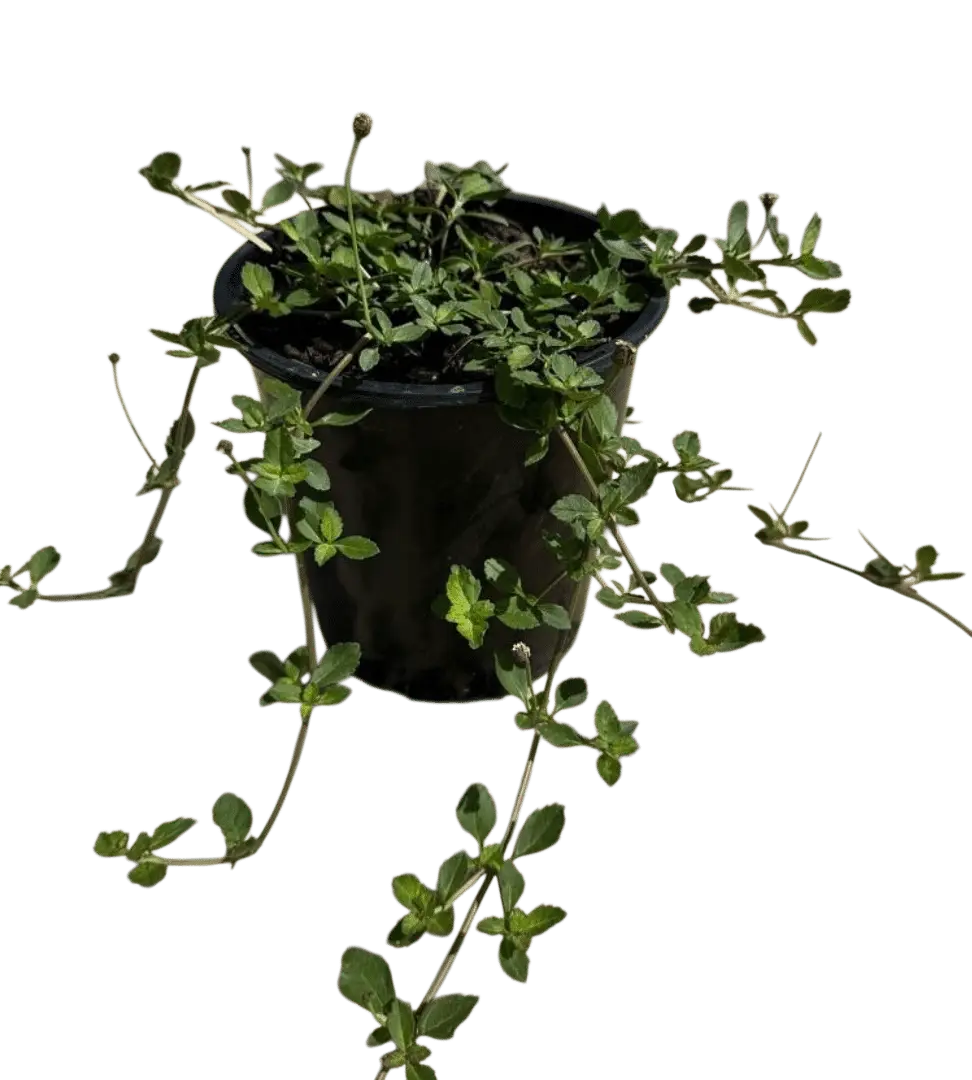
Description: Small creeping herbaceous wildflower.
Dimensions: About 1-3 inches in height; to 6 inches when in flower. Spreading and forming large open or dense patches.
Growth Rate: Fast.
Range: Widespread in the United States south to the Monroe County Keys; West Indies, Mexico, Central America and South America.
Habitats: Wet prairies and moist disturbed areas.
Soils: Wet to moist, well-drained to poorly drained sandy, limestone or organic soils, without humus.
Nutritional Requirements: Low; it grows in nutrient poor soils.
Salt Water Tolerance: Low; does not tolerate long-term flooding by salt or brackish water.
Salt Wind Tolerance: Moderate; tolerates significant salt wind without injury, but usually is somewhat protected.
Drought Tolerance: Moderate; generally requires moist soils, but tolerant of short periods of drought once established.
Light Requirements: Full sun.
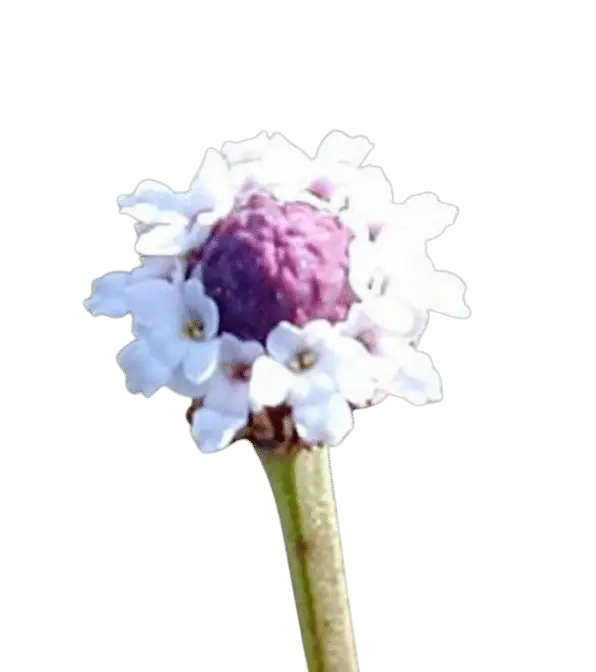
Flower Color: White flowers with purple bracts.
Flower Characteristics: Semi-showy.
Flowering Season: All year.
Fruit: An inconspicuous aggregate of 4 nutlets.
Wildlife and Ecology: Larval host plant for common buckeye (Junonia coenia), phaon crescent (Phyciodes phaon) and white peacock (Anartia jatrophae) butterflies. Nectar plant for barred yellow (Eurema daira), ceraunus blue (Hemiargus ceraunus), field skipper (Atalopedes campestris), gray hairstreak (Strymon melinus), little metalmark (Calephelis virginiensis), Miami blue (Cyclargus thomasi bethunebakeri), Palatka skipper (Euphyes pilatka), phaon crescent, queen (Danaus gilippus), swarthy skipper (Nastra lherminier), tropical checkered-skipper (Pyrgus oileus) and other butterflies. Attracts native bees and other beneficial insects.
Horticultural Notes: Easily grown from cuttings.






Reviews
There are no reviews yet.