
General Landscape Uses: Flowering hedge
Ecological Restoration Notes: Not recommended.
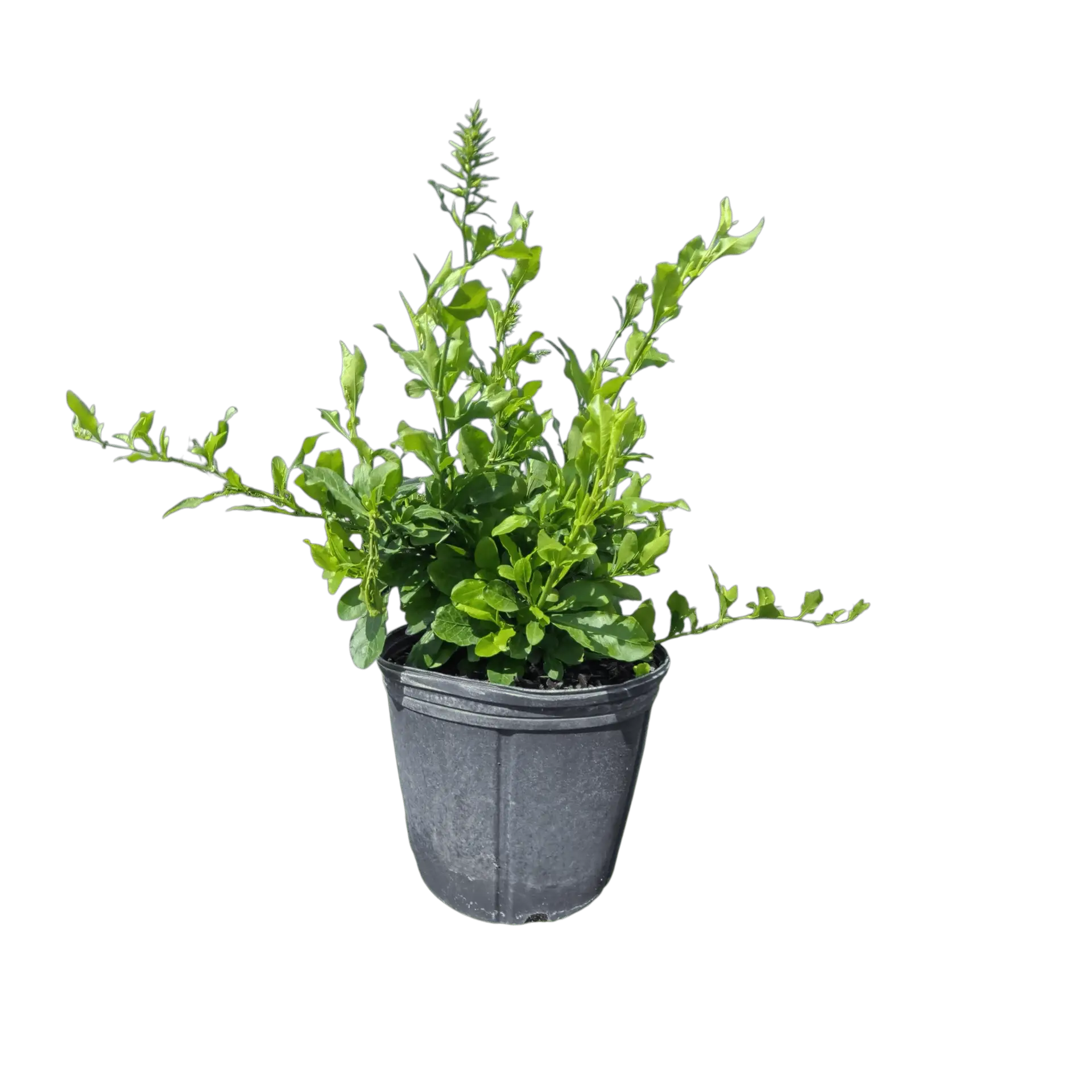
Description: A mounding, multi-stemmed shrub with thin, “whip-like” green stems. The leaves are light green, oblong, and about 2 inches long with a distinctive ear-shaped (auriculate) base.
Dimensions: Height 3 – 6 ft.; Spread 3 – 6 ft.
Growth Rate: Fast
Native Range: South Africa and Mozambique
Native Habitats: Scrub thickets, forest margins, and “valley bushveld” (dry subtropical shrublands)
Soils: Well-drained, sand
Nutritional Requirements: Low to moderate
Salt Water Tolerance: Low
Salt Wind Tolerance: Moderate
Drought Tolerance: High
Light Requirements: Full to part sun
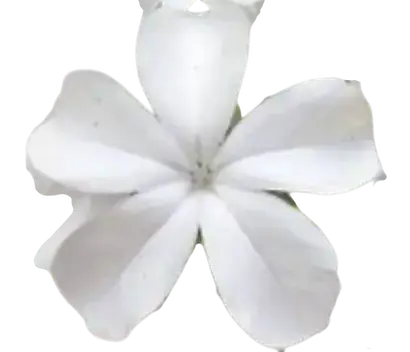
Flower Color: White
Flower Characteristics: Phlox-like, 1-inch wide, 5-petaled flowers borne in dense terminal clusters (racemes). The calyx (base of the flower) is covered in sticky, glandular hairs.
Flowering Season: All year
Fruit: An inconspicuous, barbed capsule that hitches a ride on clothing or animal fur (hence the name “leadwort,” as it was once thought to “lead” or stick to things)
Wildlife and Ecology: A major butterfly attractor. It is a larval host plant for the Cassius Blue butterfly (Leptotes cassius) and provides nectar for many other species.
Horticultural Notes: Grown from cuttings, division, seed
Comments: The sap contains plumbagin, which can cause skin irritation or blistering (contact dermatitis) in some people. It is also toxic if ingested.




Georgiana Viest –
Thank you so much Smarty Plants Nursery!