

General Landscape Uses: Specimen plant, accent plant, privacy screen
Ecological Restoration Notes: While a cultivar, it serves as a robust substitute for native Southern Magnolias in urban reforestation, providing dense evergreen cover and high-quality food for native fauna.
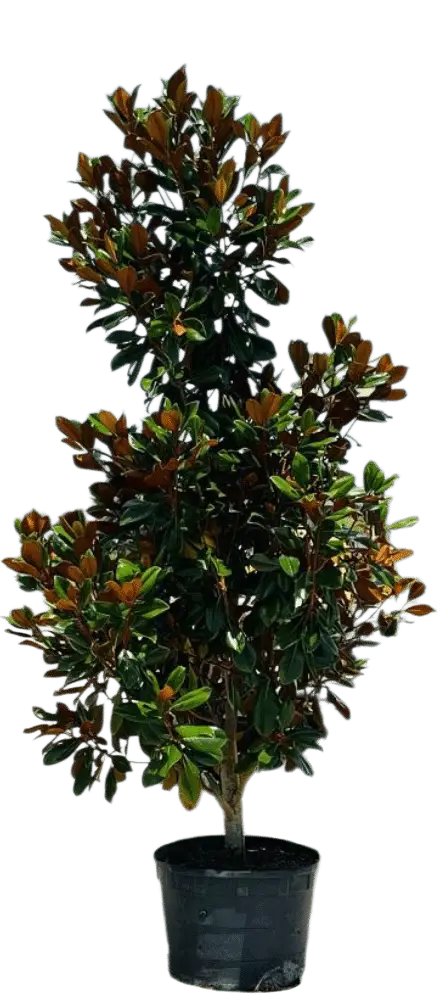
Description: A broadleaf evergreen tree with a strong central leader and a dense, symmetrical pyramidal-to-oval canopy. Notable for leaves with deep copper-to-rusty brown undersides.
Dimensions: Height 40 – 60 ft.; Spread 20 – 35 ft.
Growth Rate: Moderate
Native Range: Cultivar of a species native to the SE United States (NC to FL, west to TX).
Native Habitats: Bottomlands, maritime forests, and mesic uplands.
Soils: Well-drained, loam
Nutritional Requirements: Moderate
Salt Water Tolerance: Low
Salt Wind Tolerance: Moderate
Drought Tolerance: Moderate
Light Requirements: Full to part sun
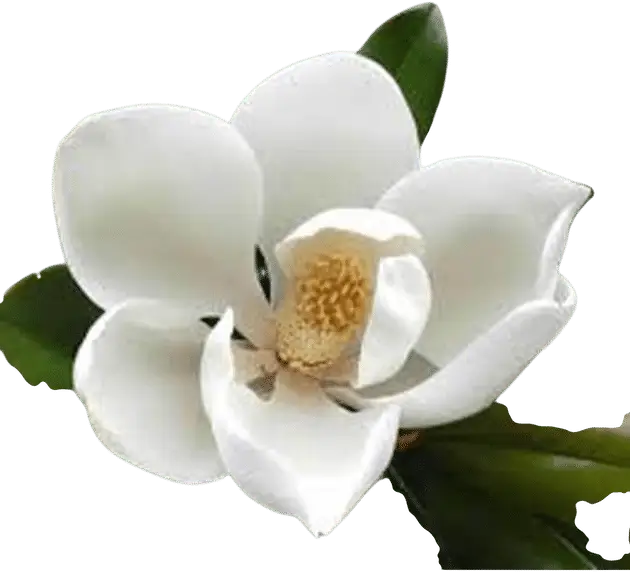
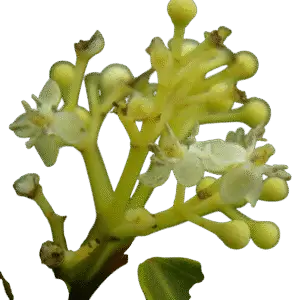
Flower Color: Creamy white
Flower Characteristics: Large, fragrant
Flowering Season: Late spring to summer
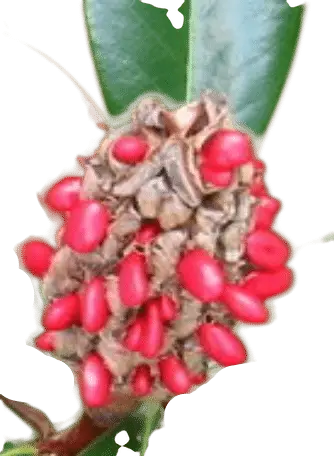
Fruit: Showy, tan-to-brown cone-like follicles that split to reveal bright red seeds.
Wildlife and Ecology: Attracts beetles (primary pollinators), bees, and butterflies. Seeds are a high-energy food source for squirrels, opossums, quail, and songbirds.
Horticultural Notes: Grown from cuttings, air layering, and grafting
Comments:






Reviews
There are no reviews yet.